 Arkema has announced a plan to expand production capacity for its Kynar® PVDF product line at the Changshu manufacturing site in China by approximately 20%, with startup of the additional unit targeted for 2028. The Changshu platform is described by the company as its largest PVDF manufacturing site; the expansion is presented as a response to growth in demand from sectors that include lithium-ion batteries for electric vehicles (EV) and energy storage systems (ESS), high-performance coatings, chemical processing, semiconductor manufacturing, water filtration, and wire and cable.
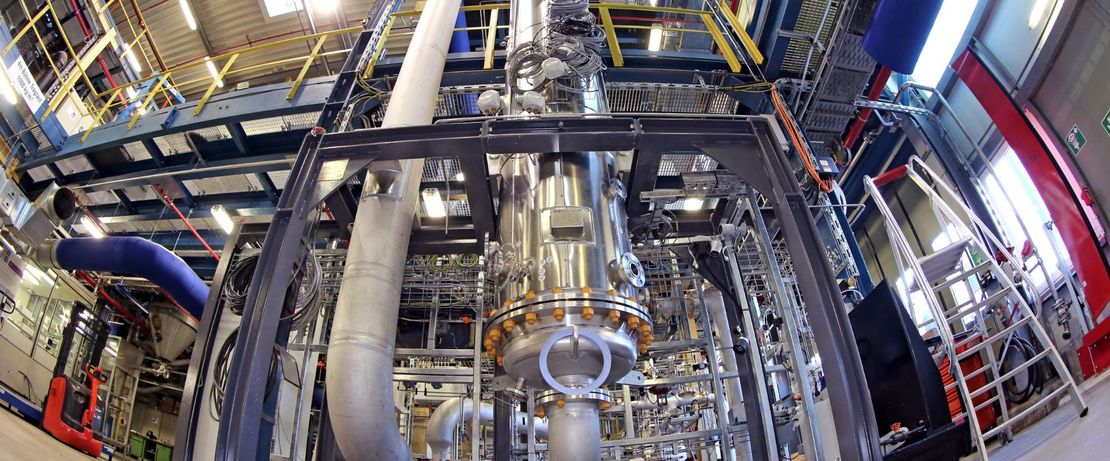
From a technical and manufacturing perspective, commercial PVDF production is predicated on controlled polymerization of vinylidene fluoride (VDF) to produce fluoropolymer resins with specified molecular weight, crystallinity, and morphology. Downstream product formats commonly include pelletized resins, powder, and dispersions, which require distinct process controls for particle size, thermal history, additive incorporation, and solvent handling where solution processes are used. Scale-up activities for a 20% capacity increase may involve equipment replication or debottlenecking of reactors, ancillary systems for monomer storage and feed, solvent recovery, crystallization and drying units, and quality assurance laboratories to monitor attributes such as melt flow index, tensile properties, and chemical resistance.
Manufacturing of fluoropolymers entails materials-compatibility engineering and risk controls related to fluorinated monomers and by-products. Typical considerations in such facilities include inerting and atmospheric controls for flammable or gaseous monomers, materials of construction resistant to fluorinated media, wastewater and solvent management, and emissions controls for air permits. The integration of a new PVDF unit at Changshu may therefore involve permitting, engineering validation, and commissioning activities consistent with local environmental and occupational safety regimes.
Arkema cites a global R&D network—centers in Changshu, France, Japan, South Korea, and the United States—as supporting PVDF product and application development. For intellectual property and product-development stakeholders, the coordinated R&D footprint may be relevant to patent filing strategies, jurisdictional allocation of know‑how, and potential cross-border technology transfer considerations. Product specifications for battery and semiconductor end-uses often require stringent traceability, impurity profiles, and performance validation; such requirements may be pertinent to supply agreements and technical qualification protocols.
Regulatory and compliance implications that may warrant consideration include evolving regulatory scrutiny of fluorinated substances, permitting requirements for chemical manufacturing expansions, and product stewardship obligations for advanced materials used in energy and semiconductor sectors. In addition, use of PVDF in battery systems and other safety‑critical applications may intersect with product-liability risk management, supplier qualification processes, and documentation of manufacturing controls.
For attorneys, patent professionals, and regulatory compliance specialists, the Changshu expansion may be of interest for monitoring shifts in global PVDF supply capacity, potential impacts on specification benchmarks for chemistry-intensive applications, and the interplay between manufacturing scale-up, regulatory permitting, and technology protection strategies.
Disclaimer: This article was generated or assisted by artificial intelligence and has been reviewed for accuracy; however, AI-generated content may contain errors or omissions. This article is provided by Innov8 Chem LLC and its subsidiaries for informational purposes only. The content herein does not constitute legal, technical, or professional advice and should not be relied upon as such. This publication is not intended to endorse, promote, disparage, or harm any company, product, or service mentioned. Readers should consult qualified legal and technical professionals before making any decisions based on the information presented. Innov8 Chem LLC and its subsidiaries disclaim all liability arising from the use of or reliance on this content.