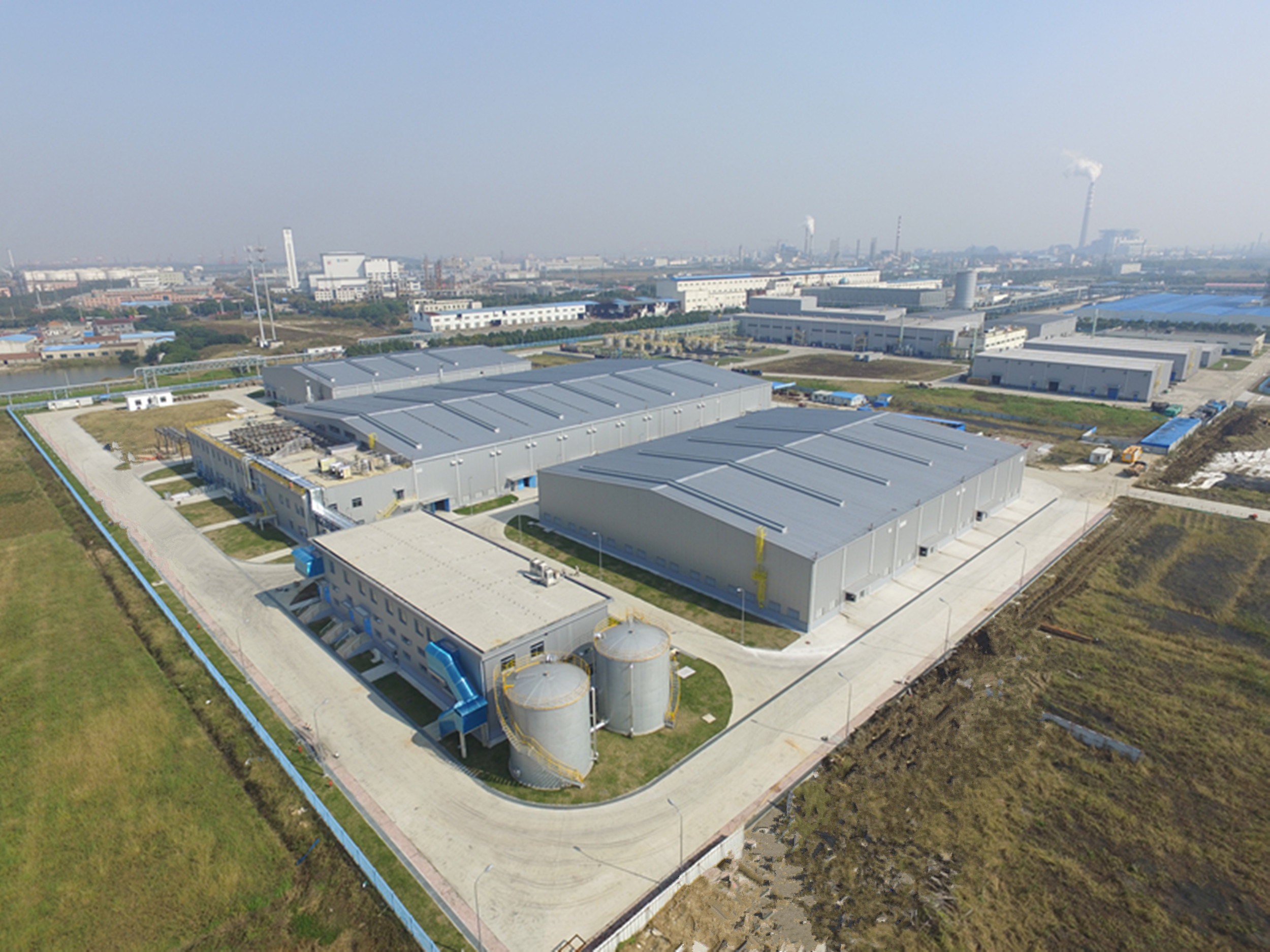
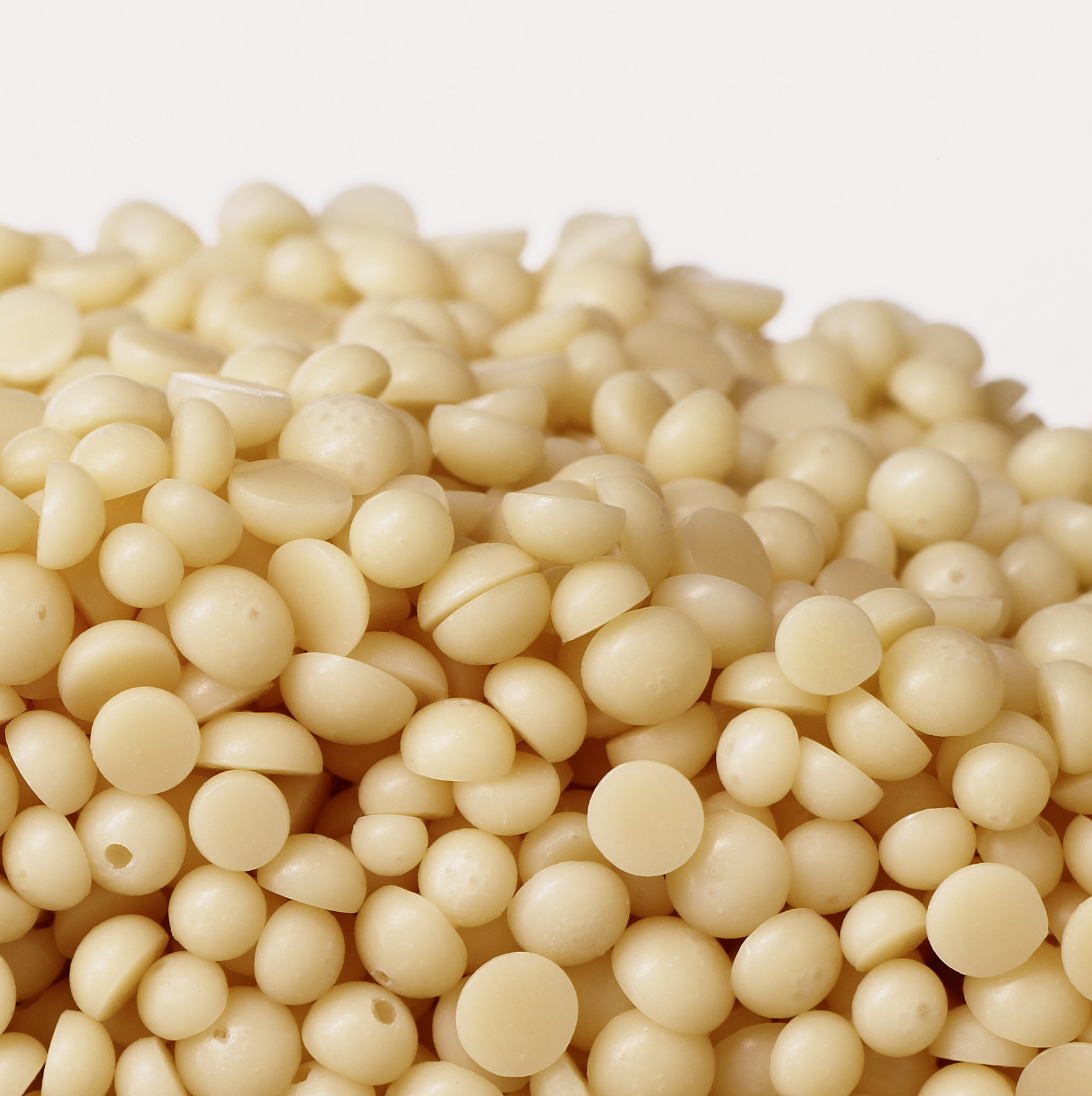
 Celanese Corporation outlined a portfolio of network adjustments for its Engineered Materials business that includes the announced closure of the Sakra, Singapore nylon unit and optimization of nylon 6,6 polymerization assets in Richmond, Virginia and Washington, West Virginia. The company indicated the Sakra facility is expected to operate through the end of July 2026 to support an orderly shutdown, while stating that the combined measures are intended to reduce overall polymer production and realign manufacturing footprint with market demand.
From a technical perspective, the actions described focus on upstream polymerization and downstream compounding. The announced North American optimization centers on nylon 6,6 polymerization capacity—an industrial condensation polymer process using adipic acid and hexamethylenediamine feedstocks—while concurrent initiatives reference liquid crystal polymer (LCP) operations in China, targeted upgrades to specialty compound lines in Europe, and the introduction of processes for medical-grade compounding in Asia. The release further mentioned product-mix localization efforts in India. These items may be relevant to materials specification regimes, qualification protocols, and supply-chain configuration for customers that test and qualify resins for mechanical, thermal, and chemical performance.
Operational closure and capacity shifts may carry multiple manufacturing and regulatory interfaces. Decommissioning of the Sakra unit may entail hazardous materials handling, remediation of process utilities, management of polymerization by-products and waste streams, and local environmental permitting or closure notifications. Workforce transition and contractor engagement for shutdown activities may give rise to employment and occupational safety obligations. Continuity-of-supply sequencing that Celanese described—stating actions will be sequenced with customers’ experience in mind—may interact with existing offtake contracts, qualification timelines, and inventory drawdown plans; contract performance, change-of-supplier provisions, and notice periods may therefore merit review in individual commercial agreements.
For product stewardship and regulatory compliance, the move toward medical-grade compounding in Asia may require adherence to specific quality systems and regulatory standards, and may necessitate documentation such as master batch records, traceability data, and material declarations. Customers relying on current nylon 6,6 grades for regulated applications may face qualification testing and change-control procedures if sourcing is shifted among sites or if blend ratios and additive packages are altered. Patent and know‑how considerations may also be implicated by transfers of polymerization recipes, compounding formulations, or process control parameters across facilities; such transfers may give rise to licensing, nondisclosure, or employee-inventor issues.
Celanese’s release reiterated that these actions form part of a broader “Grow & Fortify” agenda and acknowledged feedstock dynamics and network inefficiencies as contextual drivers. The public statement included customary forward‑looking language regarding expectations and assumptions, which may be of interest to securities and regulatory counsel monitoring disclosures.
For legal and technical practitioners, the announced changes may warrant attention to supplier qualification matrices, contract amendment processes, environmental and decommissioning regulatory filings, intellectual property handling during technology transfers, and materials specification governance for customers and suppliers. These areas may merit further evaluation on a case‑by‑case basis.
Disclaimer: This article was generated or assisted by artificial intelligence and has been reviewed for accuracy; however, AI-generated content may contain errors or omissions. This article is provided by Innov8 Chem LLC and its subsidiaries for informational purposes only. The content herein does not constitute legal, technical, or professional advice and should not be relied upon as such. This publication is not intended to endorse, promote, disparage, or harm any company, product, or service mentioned. Readers should consult qualified legal and technical professionals before making any decisions based on the information presented. Innov8 Chem LLC and its subsidiaries disclaim all liability arising from the use of or reliance on this content.