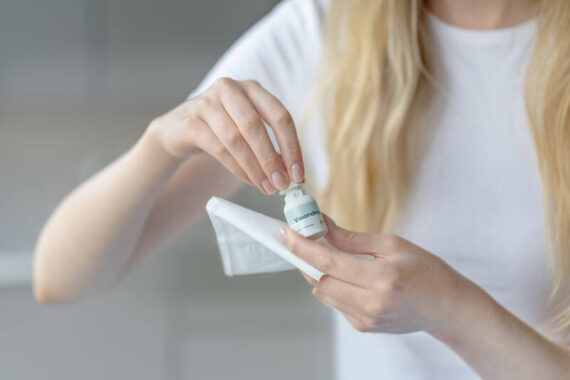
UPM announced three adhesive product lines—UPM PharmaSure™, UPM Vetro™ and UPM Endurance™—targeted to label applications with elevated environmental and regulatory demands. The supplier states the offerings are supported by pre-assessed performance data and application documentation intended to assist converters and brand owners in qualification processes.
materials
9 posts
Celanese announced a plan to close its Sakra, Singapore nylon unit and to optimize nylon 6,6 polymerization capacity at Richmond, VA and Washington, WV, with Sakra operations scheduled through July 2026. The company also outlined regional capacity and capability adjustments for liquid crystal polymers, specialty compounds, and medical-grade compounding.
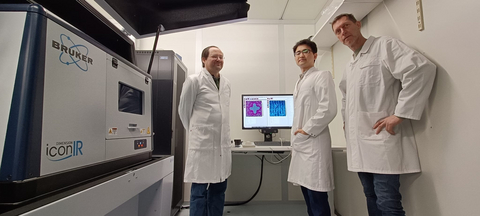
Bruker announced placement of its Dimension IconIR photothermal AFM-IR system at imec under a joint development project focused on nanoscale chemical characterization for advanced semiconductor research. The collaboration may be relevant to intellectual property, product specification, and regulatory considerations in materials and process development.

Euclid Chemical has introduced EUCON R3A, a powdered admixture intended to convert returned unhardened concrete into a dry, granular material for reuse as recycled aggregate or base. The product’s single-component, in-drum dosing and dissolvable 1-lb packaging may have implications for materials handling, regulatory classification, and intellectual-property considerations.

Nanoscience Instruments expands its polymer expertise through a partnership with Xplore Instruments, delivering advanced polymer processing and materials solutions across North America.

Ecogensus has obtained a foundational patent for “Compositions Containing Solid Waste Materials” to improve waste-derived building materials for sustainable building.

Alabama State University received 3-year $600,000 grant from the DOD for advanced lightweight, multifunctional materials research.
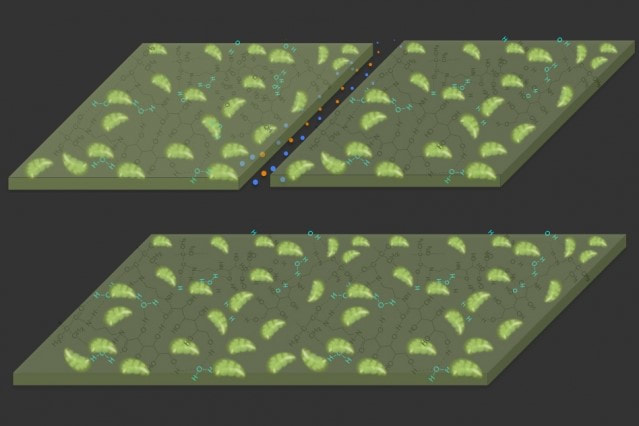
MIT chemical engineers have designed a material that uses carbon dioxide from the air and sunlight to grow, strengthen, and repair itself.



Case in problem-solving for research teams: step back to determine if there is a better way to define the problem and open new and perhaps better avenues for a solution.